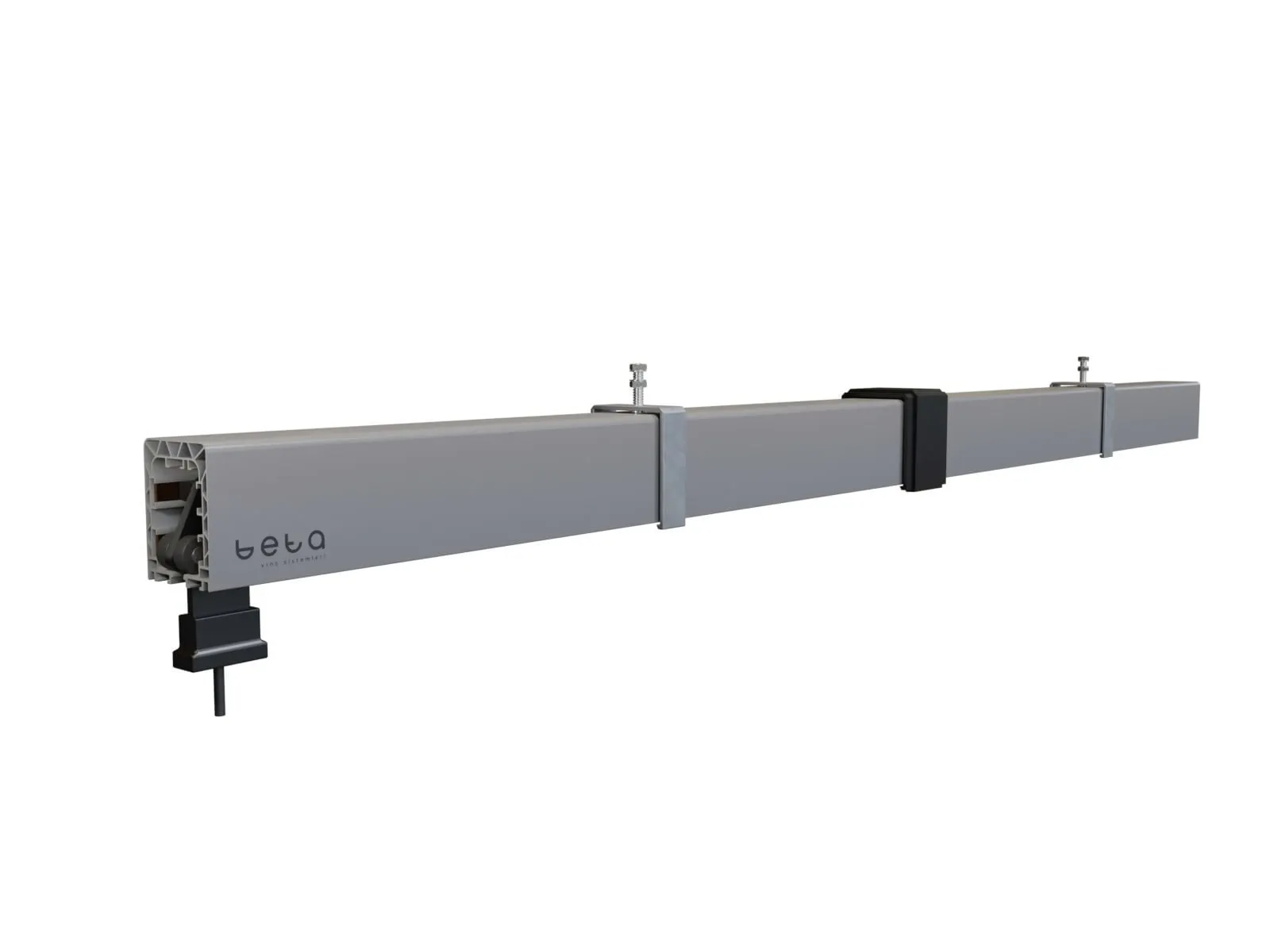
Safe, Uninterrupted Power Transmission: Crane Busbar Systems
An uninterrupted flow of power is at the heart of lifting and handling equipment in industrial plants. Crane busbar systems supply electric overhead cranes, monorail systems and bridge cranes with the power they need while moving, in the safest way, and secure the continuity of your production. We offer durable, highly conductive solutions to international standards for operations that want safety in the load and precision in the system.
What Is a Crane Busbar and Why Is It Used?
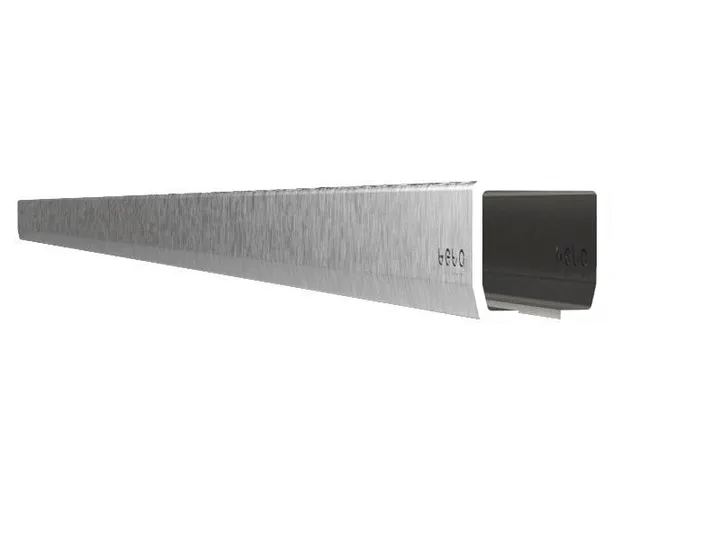
A crane busbar is a rail-type current collection system used to deliver electrical power to moving industrial machinery. Unlike older hanging or trailing cables, it consists of conductive copper bars placed inside an insulating body (PVC or aluminium). The system completely eliminates risks to occupational safety such as cable breakage, tangling and short circuits.
Main Advantages of Crane Busbar Systems
- High Occupational Safety: With the conductors housed in an enclosed body, contact between personnel and live current is impossible.
- Compact Design: It takes up no extra space in the plant and avoids visual clutter.
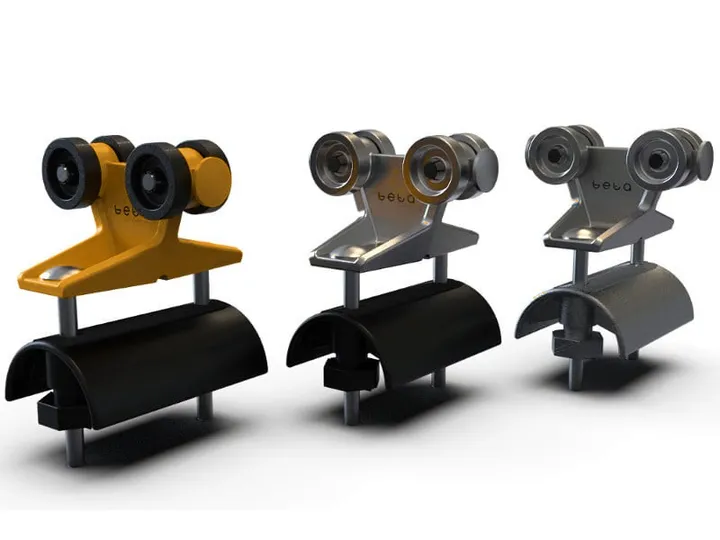
- Uninterrupted Performance: The sliding contact of the current collectors (busbar brushes) gives steady power transfer with no momentary interruptions.
- Easy Maintenance and Installation: Thanks to its modular structure, adding, removing or replacing a faulty part is very quick.
Types of Beta Crane Busbar System
We engineer different types of power transmission system according to the capacity of your operation, the tonnage of the crane and the severity of the working environment.
1. Enclosed (PVC Body) Busbar Systems
The most preferred model for overhead and gantry cranes that generally work indoors. With 4 to 7 conductors, these systems give extra protection against dust and moisture. The current collector (carbon brush) touches the copper conductors inside the body to give uninterrupted movement.
2. C-Profile (Festoon) and Cable Carrier Systems
Open-type festoon systems, ideal for light-tonnage hoists, monorail cranes and short-travel systems. Cable trolleys running in C-profile rails gather the flat cables neatly and give flexibility of movement.
Technical Features and Capacity Selection
Choosing the right busbar system depends on the total current draw (amperes) of your crane motors (hoisting, travel and trolley motors). The amperage must be matched to the project so that the system does not overheat and there is no voltage drop.
| Feature | Enclosed busbar systems | C-profile cable carrier systems |
|---|---|---|
| Current capacity | 40 A, 70 A, 100 A, 130 A, 200 A+ | Depends on the flat cable cross-section |
| Body material | Special flame-retardant PVC | Galvanized steel / stainless steel |
| Conductor material | Pure electrolytic copper | Flexible flat rubber cable |
| Area of use | Long bays and high-speed cranes | Short bays, monorails and transfer cars |
| Operating temperature | -30 °C to +60 °C | -20 °C to +80 °C |
Frequently Asked Questions
How often should a crane busbar system be maintained?
It depends on how intensively the system is used, but we recommend checking the busbar line during periodic crane maintenance. The carbon brushes that carry the current wear through friction, so they should be checked at least twice a year and replaced when they reach the wear limit.
Can an enclosed crane busbar be used outdoors?
Yes. Enclosed busbar systems with special seals, a suitable IP protection class and resistance to sunlight (UV) can be used safely on gantry cranes working outdoors.
Why does voltage drop occur in a busbar system?
In very long crane bays (for example, over 100 metres), feeding from a single point can cause a voltage drop towards the end of the line. To prevent this, the line should be fed from the middle or from more than one point.
Get a Quote for the Right Busbar System for Your Project
Determining the most suitable power transmission system for the capacity of your cranes, the bay length and the working conditions calls for expertise. Contact our engineering team for high-quality spare parts, professional installation and periodic service.